A wooden bench, a tall window and the familiar sound of wheels on rails: sometimes, one of the best ways to discover Milan is simply to board a tram.
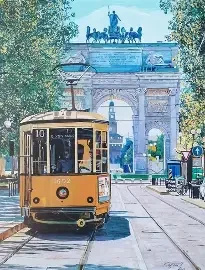
The city’s historic Carrelli trams, also known as Milano 1928 or Ventotto, are part of its everyday identity. You see them passing through busy streets, stopping beside cafés and carrying passengers across the city. For visitors, they offer something special: the chance to explore Milan aboard a piece of its living history.
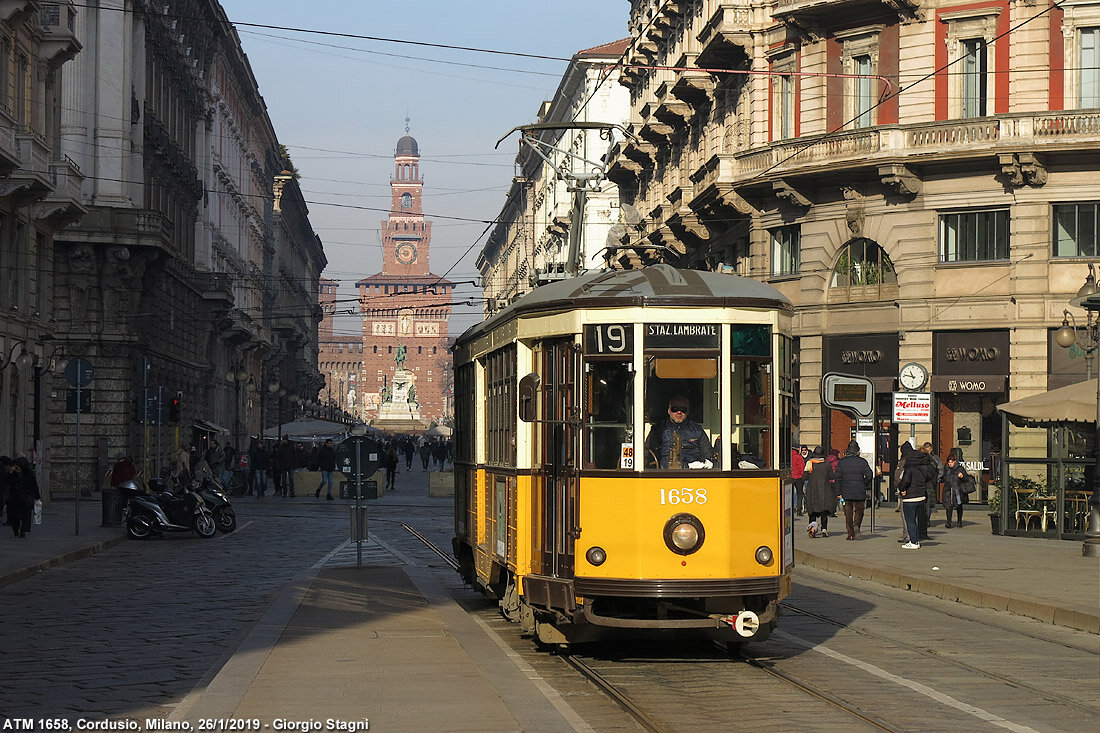
Milano 1928: Almost a Century on the Rails
The name “Milano 1928” identifies the historic tram model rather than the construction year of every vehicle. Developed in the late 1920s, these trams belong to the series 1500 and were inspired by the American Peter Witt design.
Their Italian nickname, Carrelli, refers to the wheeled bogies beneath the carriage, which allow the vehicle to negotiate bends along the tracks.
Nearly a century later, these unmistakable trams remain a symbol of Milan. Their long working life owes much to the maintenance and refurbishment carried out by ATM’s technicians, keeping a historic design in use within a modern city.
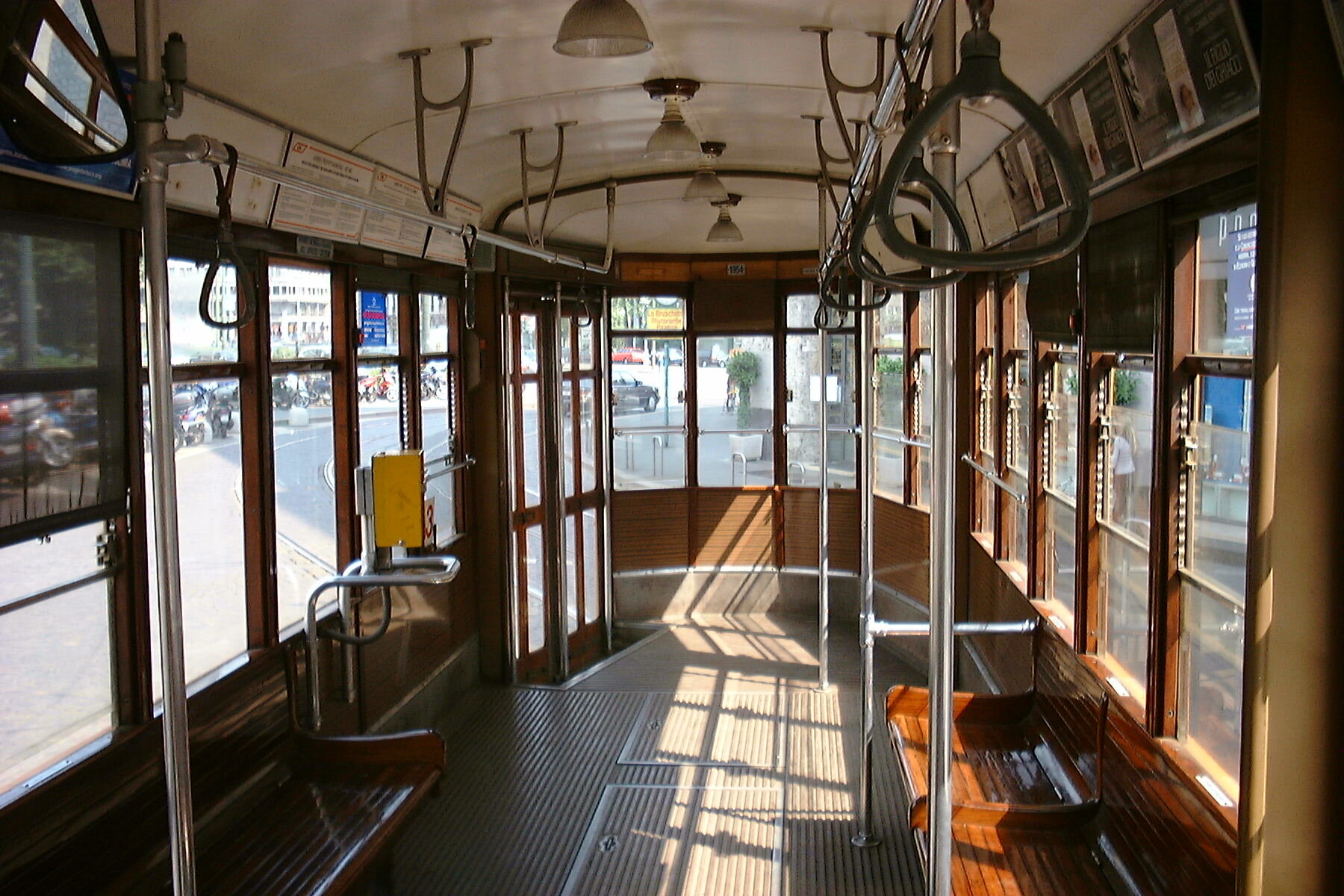
Wooden Interiors and a Window onto Milan
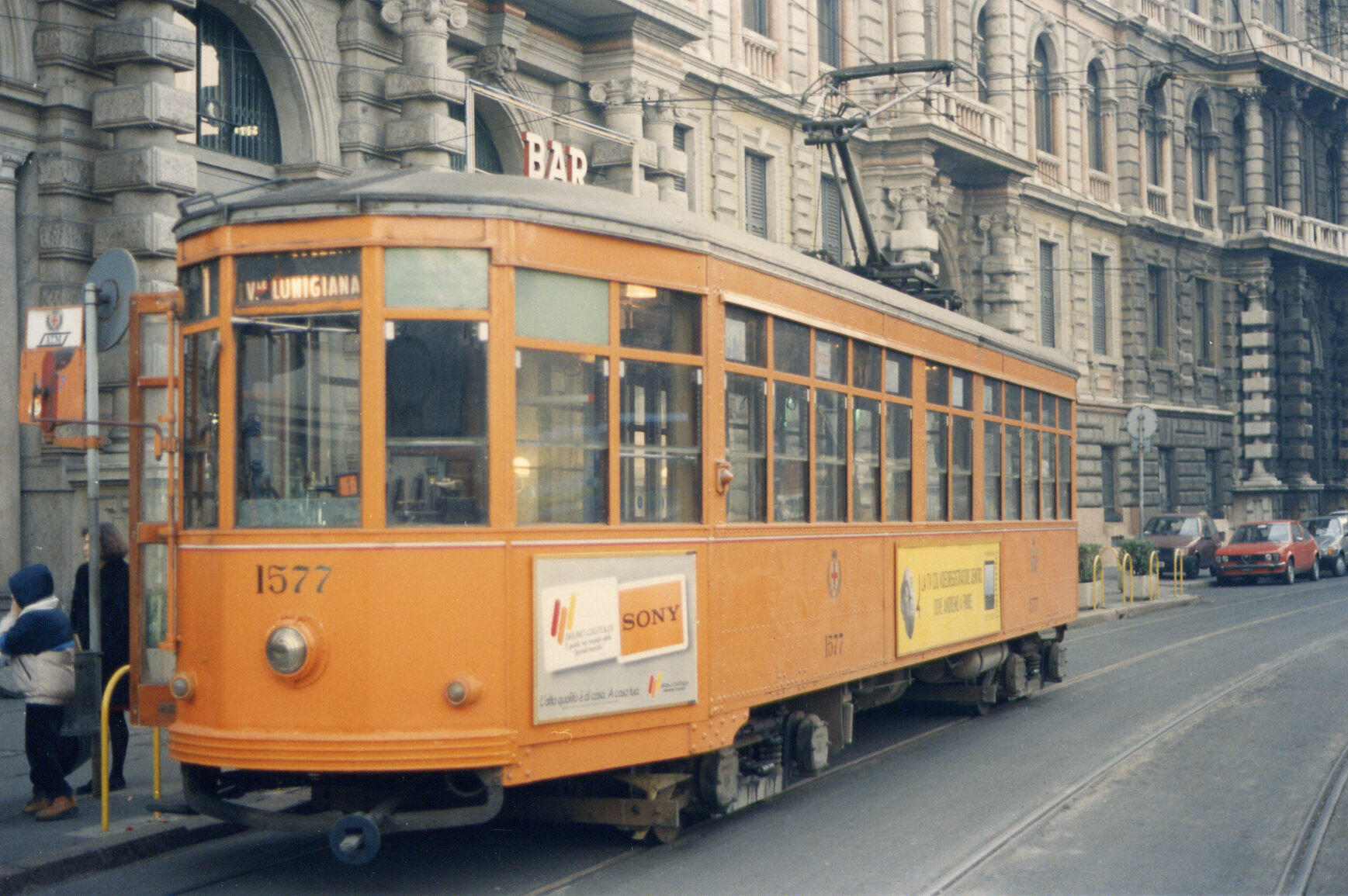
The exterior catches your attention first, whether you spot a tram in orange or in its yellow-and-cream colours. But the interior is just as memorable.
Wooden benches, traditional fittings and large windows give the journey a character quite different from a modern tram or metro train. Find a window seat if one is available and watch Milan unfold: shopfronts, elegant buildings, small courtyards and people waiting at the next stop.
There is no need to plan a long excursion. Even a few stops can become a pleasant part of the day, between a museum visit, a walk and a coffee break.
These are working public transport vehicles, so you will be travelling alongside people going about their daily lives. That is part of their charm.
Around Central Milan: Trams 9 and 10
For many Milanese, the numbers 29 and 30 bring back memories of the old circular tram service around the centre, following the Cerchia dei Bastioni in opposite directions.
Today, lines 9 and 10 provide a way to explore the western and eastern sides of central Milan by tram.
The distinction is useful to remember: tram 10 follows the western side, while tram 9 follows the eastern side.
Their regular routes connect several areas worth exploring. Line 10 links Viale Lunigiana with Piazza XXIV Maggio, passing through neighbourhoods around Garibaldi, Monumentale, the Sempione area and Porta Genova. Line 9 connects Porta Genova with Centrale along the eastern side.
Together, with a change of tram, they offer a framework for a journey around the central city.
How to Plan Your Tram Journey
One option is to start in the Centrale area, take line 10 along the western side and change at Porta Genova to line 9 towards Centrale. You can also make the journey in reverse.
Rather than treating it as one continuous tour, choose a few places to stop. Get off for a walk, explore a neighbourhood and continue when you are ready.
Use the ATM route planner to find the correct boarding stops and connections. Interchanges may involve a short walk, and temporary works can change routes or replace sections with buses.
The 9 and 10 itinerary is a way to explore the city’s tram network. Historic Carrelli vehicles are not guaranteed on every departure or on both lines. If the vintage carriage is the main attraction for you, check the approaching tram before boarding.
Enjoying a Historic Tram Ride
To ride a historic tram on an ordinary scheduled service, you need a valid public transport ticket or pass and must follow ATM’s validation rules.
For a more relaxed experience, try travelling outside the busiest commuting hours. You may find it easier to get a seat and enjoy the view.
Keep doors and aisles clear, particularly when taking photographs. A historic tram may be part of your holiday, but it is also somebody else’s journey to work.
Before setting out, check the current routes and service notices on the ATM website.
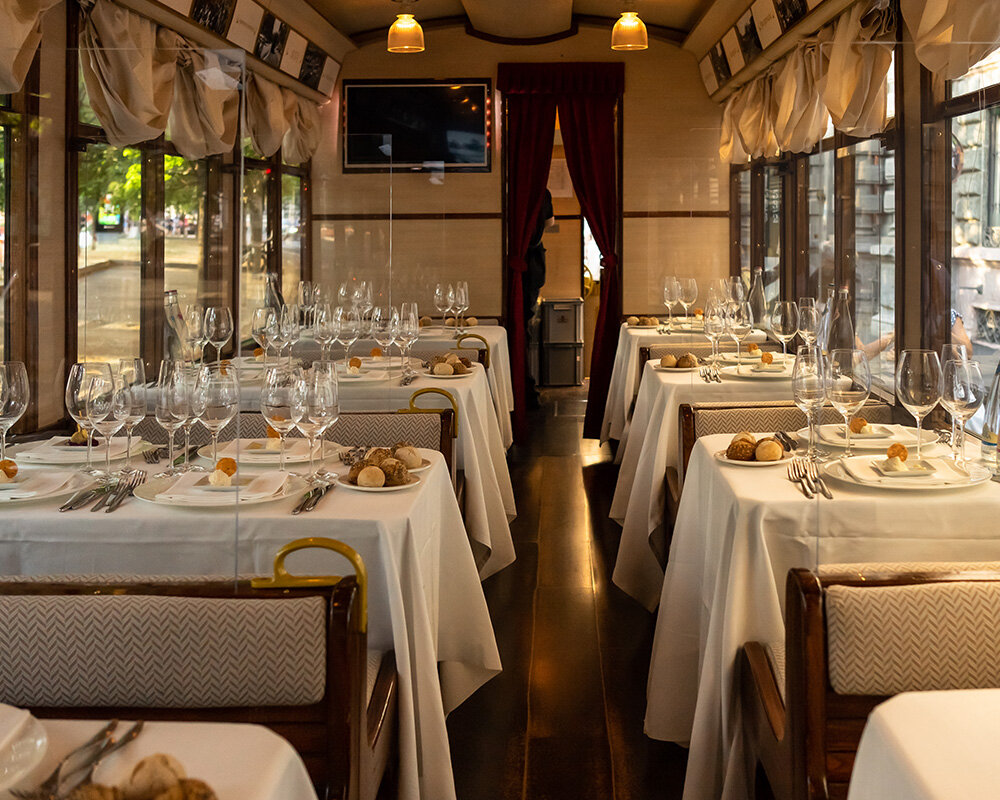
TMosfera: Dining aboard a Historic Tram
For a different experience, ATMosfera combines Milan’s tram heritage with a meal on board.
Two historic vehicles have been adapted into tram restaurants, allowing diners to enjoy the city from their table as the carriage travels through its streets.
It is an unusual setting for a special evening: the atmosphere of an old tram, a moving view from the windows and dinner served along the way.
ATMosfera requires a separate reservation; an ordinary public transport ticket does not cover the experience. Menus, departure details, prices and availability can be checked on the official ATMosfera booking website.
Check the access information before booking, as the historic carriages have steps and limited space.
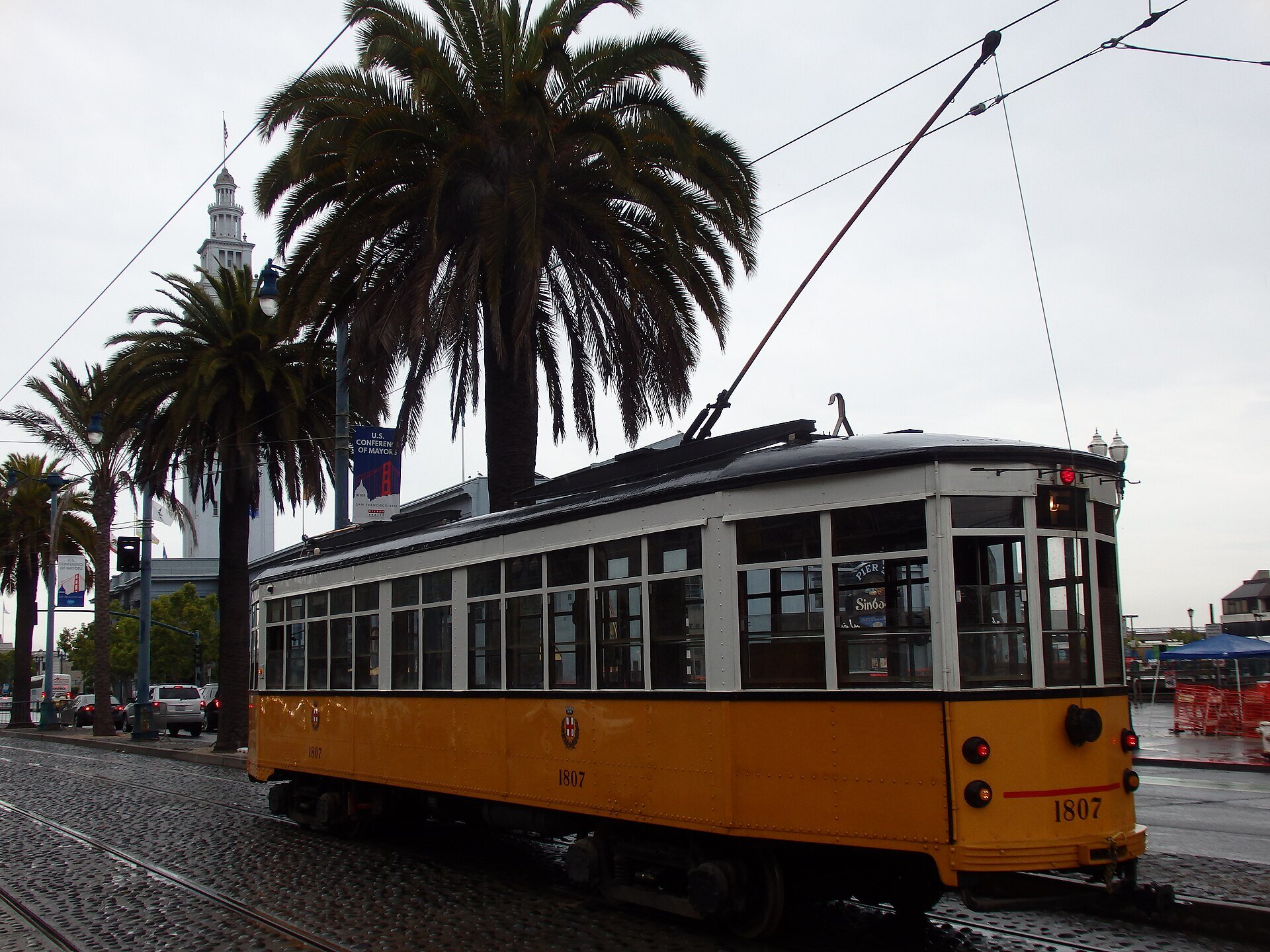
From Milan to San Francisco
Milan’s historic trams have an unexpected connection with another city famous for its transport heritage: San Francisco.
Former Milanese Peter Witt trams became part of San Francisco’s historic streetcar fleet, serving the F Market & Wharves line.
A carriage designed for Milan’s streets found a second life beside the Californian waterfront. For anyone familiar with Milan, seeing one there is a little like meeting an old acquaintance on the other side of the world.
It is also a reminder that these trams are more than a local curiosity: their design and character have earned them a place in transport history far beyond Italy.
Discover Milan at Tram Speed
Milan is often associated with fashion, business and a fast pace of life. A historic tram offers another way to experience it.
Take a seat, look through the window and let the streets pass by. You may notice details you would miss underground or while hurrying between attractions.
Whether you choose a short ride, a journey through different neighbourhoods or dinner aboard ATMosfera, leave a little room in your visit for Milan’s trams. Sometimes, the journey becomes one of the memories you take home.
A Base for Your Milan Stay
Staying at Bovisa Hub 97 - Politecnico gives you space to relax after a day exploring Milan. With public transport connections nearby and a reserved parking space, you can leave the car behind and discover different sides of the city at your own pace.